

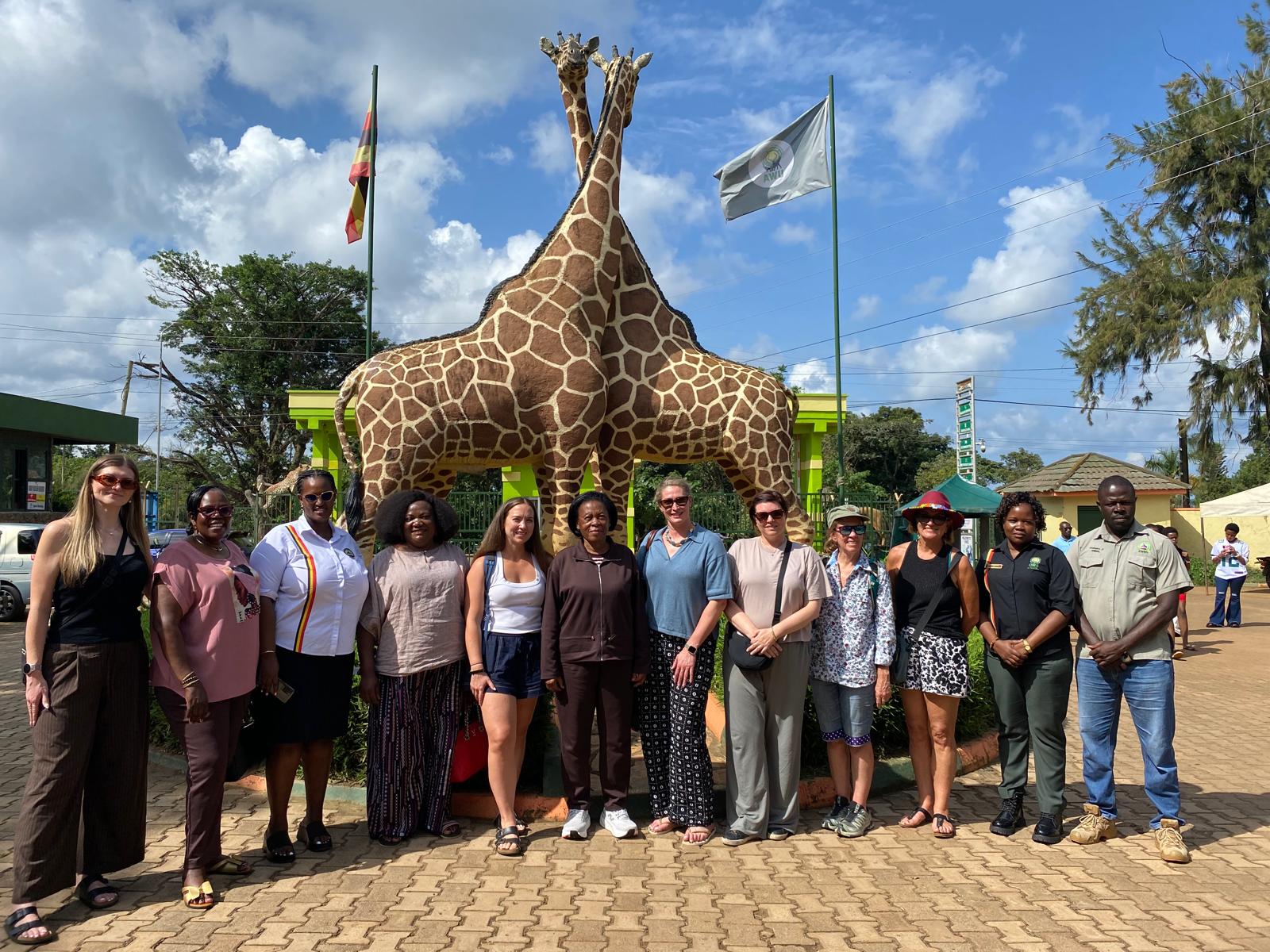
ENTEBBE — Uganda’s growing reputation as a global conservation and eco-tourism destination has received a major boost following a high-level visit by an Australian tourism delegation to the Uganda Wildlife Conservation Education Centre in Entebbe.
The delegation, comprising leading tour operators, travel agents, and media personalities, is in Uganda for a 10-day familiarisation tour aimed at positioning the country within the competitive Australian travel market. The visit was led by Uganda’s High Commissioner to Australia, Dorothy Samali Hyuha.
During their tour of the facility, the visitors engaged in immersive conservation activities including feeding giraffes and chimpanzees, touring wildlife rescue and rehabilitation centres, and interacting with veterinary and conservation teams.
They also participated in symbolic animal naming exercises, an initiative designed to deepen the emotional connection between visitors and Uganda’s conservation efforts.
Speaking during the visit, Ambassador Hyuha said conservation is increasingly becoming a key pillar of international relations.
“Conservation today is global diplomacy. When countries collaborate around wildlife protection and environmental education, they are building long-term partnerships between people, institutions, and future generations,” she said.
Officials at UWEC highlighted Uganda’s expanding partnerships with Australian zoos and conservation institutions, particularly in Victoria and Adelaide, noting that these collaborations support wildlife rescue operations, research, education programmes, and technical knowledge exchange.
One such partnership recently facilitated the acquisition of a specialised rescue vehicle to strengthen wildlife rehabilitation efforts at the centre.
Members of the Australian delegation described their experience as immersive and transformative, saying Uganda’s approach to conservation goes beyond traditional tourism.
“This has been one of the most unexpected highlights of our trip. It’s not just about seeing wildlife—it’s about understanding conservation, education, and the science behind it,” one delegate said.
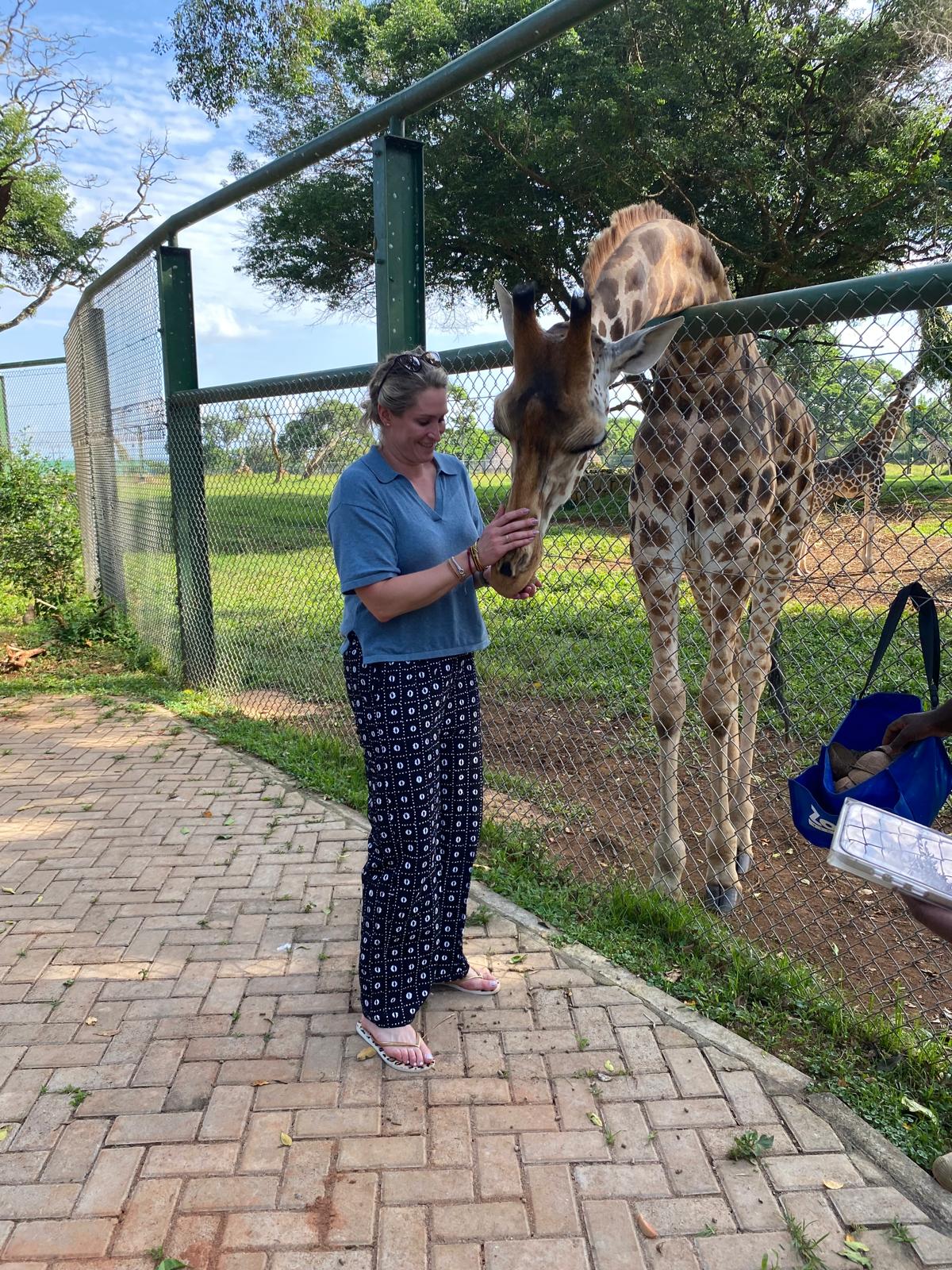
Another visitor described the experience as emotionally impactful, noting that close interaction with animals and rehabilitation work created a deeper appreciation for conservation.
Tourism experts say such experiences are increasingly appealing to Australian travellers, who prioritise ethical tourism, sustainability, and authentic engagement.
Ambassador Hyuha added that Uganda’s tourism future lies in creating meaningful, participatory experiences for visitors.
“Today’s traveller wants more than sightseeing. They want connection, meaning, and experiences that make them more conscious about the world around them,” she said.
As global tourism trends shift toward sustainability and conservation-driven travel, Uganda is positioning itself not just as a wildlife destination, but as a key player in global conservation partnerships and environmental diplomacy.
